

Your holiday photo could lead to a scam message

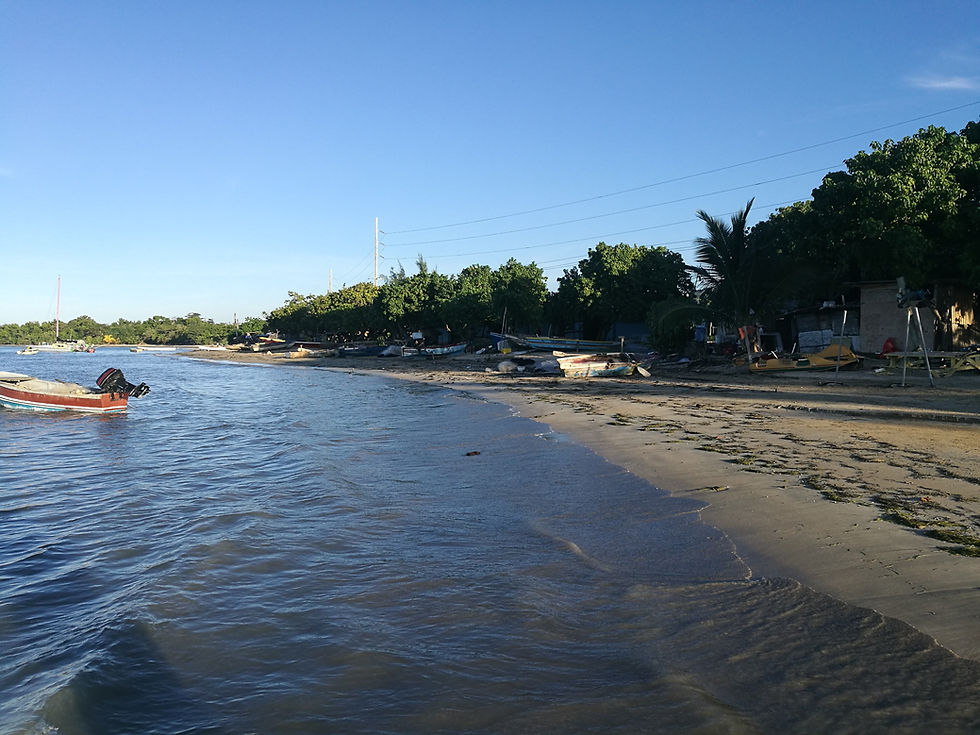
We've all done it - posted photos of our holiday onto social media to show our friends and family how much we're enjoying our time away. However, this inncoent act is being hijacked to try and scam you.
McAfee ran an investigation which is surprisingly simple for scammers to utilise - analysing an image to determine where it was taken and then using that information to send a fake alert message. Because it has some details which seem genuine, it lulls the victim into a false sense of security, which is where the fraudsters swoop. Essentially, it's a variation of phishing.
McAfee reports that of the 21,236 travel images it ran through AI systems, it was able to work out the correct location in an average of 90% of cases.
Using this information and other data acquired elsewhere, victims then receive a message while on or just after they return from their getaway saying something like there was some unusualy activity on their account while they were in said country and to click on the link to review transactions, taking you to a scam site where further details are stolen. £1.28 billion was stolen through payment fraud in the UK in 2025, with more than 4 million cases reported.
In its report, McAfee offers this advice:
Think before you post, especially in real time. The highest-risk window is when you’re still traveling. Posting while you’re in a location gives scammers a live signal. When possible, post after you’ve returned home or delay sharing location-identifiable content by a few days.
Audit your social media privacy settings. Photos shared publicly are the easiest targets. Restricting your posts to people you know significantly limits the pool of images that can be scraped and analyzed.
Be skeptical of urgency tied to your location. If a message references where you’ve been, even correctly, treat that as a red flag, not a credibility signal. Scammers use location familiarity precisely because it feels reassuring.
Go directly to the source. If you receive a message claiming to be from your bank, airline, hotel, or card provider while traveling, don’t click any link in the message. Open a new browser tab and navigate directly to the company’s official website, or call the number on the back of your card.
Use a travel-specific email or alias. Some travelers use a separate email address for bookings, reservations, and travel apps. This limits the cross-referencing scammers can do between your social media presence and your financial accounts.
Trust the skepticism, not the familiarity. Modern scams are designed to feel familiar before they feel suspicious. If something creates a sense of urgency around your financial accounts while you’re traveling, slow down. The pressure itself is the warning sign.


Comments