

NHS snooping scandal & what this means for your inbox

Updated: Sep 10
You have most likely seen the shocking headlines about NHS staff unlawfully accessing the medical records of high profile victims and deceased individuals.
If you have not seen this here is a quick rundown:
The privacy of NHS patients is under intense national scrutiny today after reports that staff accessed medical records of deceased patients and victims of public tragedies without any clinical reason.
A joint investigation by Sky News and the Health Service Journal has exposed what health leaders now face as a serious breach of trust. Medical records of children stabbed at Taylor Swift concert were inappropriately accessed by nearly 50 members of staff at Aintree hospital. The reported pattern is not limited to isolated mistakes. It points to a wider problem of staff using access to NHS systems to look up sensitive records out of curiosity, personal interest, or connection to high-profile events.
The response has been swift. NHS leaders, the government, and the Information Commissioner’s Office have all been drawn into the fallout, with sackings, investigations, and a renewed zero-tolerance warning to staff.

What the investigation found
Sky News and HSJ investigation reported that staff had accessed patient records without a valid work-related reason. The most serious cases centred on deceased patients and people caught up in public tragedies, where news coverage, local interest, or personal connections appeared to drive improper searches.
In the NHS, staff access to medical records should be based on a clear care need. That might include treatment, referral, prescribing, administration, safeguarding, or another legitimate clinical or operational purpose. Curiosity is not one of them.
The investigation has raised concern because these breaches involve some of the most sensitive information a person can have, including diagnoses, treatment history, mental health information, and family circumstances. When the person has died, the harm does not disappear. Relatives can still suffer distress, loss of confidence, and a sense that their loved one’s dignity has been breached.
This is why the phrase “snooping” matters describes behaviour that may look casual to the person doing it, but can be deeply invasive to the patient or their family.

How can this directly impact us?
Whilst the NHS is handling the internal privacy breach a secondary threat is brewing for the public:
Opportunistic scammers.
Whenever a massive data privacy story dominates the news, cybercriminals immediately use it as bait. Here is how they can turn scandal into weapons and how you can protect yourself, your money and your data.

How scammers can exploit the news:
· Fake “Data Leak” Notifications
You may receive a text or email claiming your personal medical records were caught up in the NHS breach. They may urge you to click a link to “check your status” or “claim compensation.” These links often lead to credential stealing websites.
· Clickbait Phishing
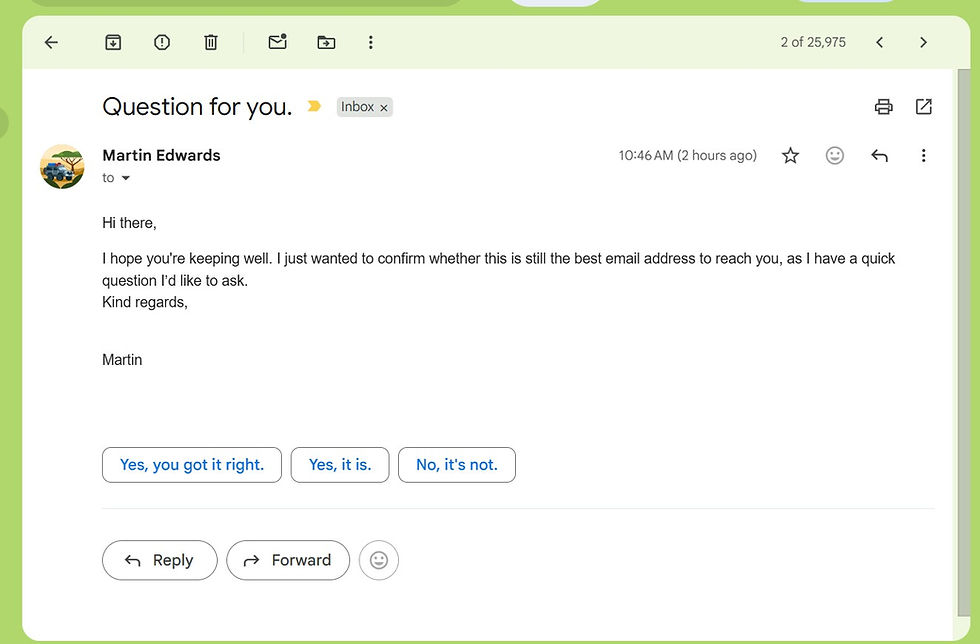
Scammers may send emails promising “leaked reports” or “inside details” on high profile cases. Clicking these attachments can install malware on your device.
· Impersonation scams
Fraudsters call victims pretending to be NHS investigators or data police, asking you to confirm your “National Insurance number or your date of birth” to secure your account.
Your Action Plan:
· Never click links in unsolicited messages: The NHS will never text or email you out of the blue asking you to log in or provide bank details to resolve a data breach.
· Verify independently: If you are genuinely worried about your data privacy, hang up and contact your GP surgery or NHS directly on a verified number you know.
· Report it: Forward suspicious text to 7726 and phishing emails to report@phishing.gov.uk
This article has been created for general guidance and information purposes only.


Comments