

Tesco image hijacked to promote online gambling

Updated: Sep 21
Tesco has contacted police after its name and image were used to promote an online casino, raising fresh questions about how quickly unlawful gambling promotions can be stopped once they spread through major platforms.
The issue centres on Meta advertisements that reportedly promoted a “Tesco’s Casino” and linked to a website still accessible in the UK. The site claimed to be the “Official Tesco's Casino”, despite Tesco having no connection to it. According to The Guardian, the operator does not hold a UK Gambling Commission licence, which is a legal requirement for gambling businesses serving customers in Great Britain.

What happened in the Tesco casino case
The fake casino promotion appears to have borrowed heavily from Tesco’s public identity. The website reportedly claimed the casino was “built on the trust of Tesco, a FTSE 100 company with 107 years of UK trading history since 1919”, and described slot machine games as being “laid out as clearly as the aisles at a Tesco Extra.”
The Gambling Commission and the Advertising Standards Authority are also aware of the problem, according to the brief, though efforts to remove or resolve it have had limited success so far.
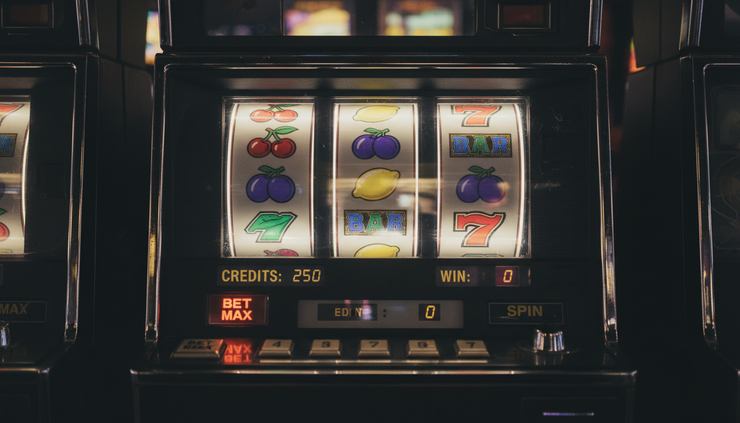
The Tesco Casino image hijack also points to a wider pattern. Barclays and Monzo have reportedly been targeted by casino slot adverts too. In each case, trusted names appear to have been used to make gambling promotions look safer, more official, or more familiar than they really are.
The core danger is not only that a brand has been misused. It is that the misuse can make a risky gambling site look legitimate.
What consumers should check before using any gambling site
People should treat any gambling advert using a familiar non-gambling brand with caution. Tesco is a supermarket, not a casino operator. A bank name or money app name attached to slots should raise the same concern.
Before signing up to any gambling website in the UK, a consumer can make basic checks:
Search the Gambling Commission public register for the operator name.
Look for clear ownership details, not just a familiar brand name.
Be wary of phrases such as “official” if the link came from a paid advert.
Avoid depositing money if licensing information is missing or hard to verify.
Report suspicious adverts to the platform and to the impersonated brand.
These steps do not replace regulation, but they can reduce the chance of losing money to a site that should not be taking UK customers.
This article is for general information only and is not legal advice.


Comments