

Friendship fraud warning: how scammers exploit loneliness online

Whilst this is an old scam it is worth mentioning as it hinges on vulnerable people of all ages, and the over 60's. It is such a horrible scam as it is designed to exploit peoples need for connection and loneliness...This is friendship fraud.
A friendly message from a stranger can feel harmless, especially if you're feeling lonely. That is exactly what makes friendship fraud so cruel. The scam does not start with an obvious demand for money. It starts with attention, warmth, shared interests and the feeling that someone cares. This can go on for years as mentioned in one case below.
TSB who researched figures from last years fraud reports found that 29% of all cases of direct bank transfer fraud were impersonation scams like this. They also highlight the average amount lost to criminals posing as another person or organisation is more than £3,000.
This article is for general information only and is not financial advice. Anyone worried about fraud should contact their bank and report the incident to Report Fraud.

What friendship fraud looks like
Friendship fraud is a form of impersonation fraud where a scammer builds an emotional bond with someone online, then uses that bond to ask for money, gift cards or repeated bank transfers.
It can look like:
A new contact who messages every day and quickly becomes important.
Someone claiming to be trapped in a difficult family situation.
A person who says they are ill and need help with medical costs.
A “friend” who threatens to stop talking unless money is sent.
Repeated requests for small payments that grow over time.
The scam can continue for months or even years. That is part of the damage. Victims are not only losing money. They are being manipulated into believing they are helping someone they care about.
TSB’s fraud expert, Stephanie Harrison, has warned that the method can mirror romance fraud. The difference is that the victim may not be looking for love. They may simply want friendship, company and regular human contact.
Why loneliness makes the scam so powerful
Loneliness can affect anyone. It often becomes more intense after bereavement, retirement, illness, caring responsibilities or a move away from family and friends. Scammers know this. They look for people who may welcome regular conversation.
A criminal may spend weeks building trust before asking for anything. They will most likely remember details, send caring messages and create a story that feels personal. By the time money is mentioned, the request can feel like helping a real friend.
Friendship fraud rarely feels like fraud at the start. It feels like connection.

Real cases show how the pressure builds
Reports show how quickly an online friendship can turn into financial abuse.
TSB reported a case involving a lonely person in their late 60s who was befriended by a scammer claiming to be a younger person in need of help to escape an abusive family. Over four years, the victim was sadly drained 60 separate times.
Another case highlights a customer in their late 70s who lost more than £4,000 after forming a friendship on Instagram. The scammer invested time in building a relationship, then claimed to be unwell urgently needing assistance with medical expenses. The victim sent payments and gift cards. Eventually, contact ceased, revealing the fraud.
In third case, a customer also in their 70s became friends with a new contact on Facebook. Regular conversations led to the scammer threatening to cut contact unless payments and gift cards were sent. TSB supported the customer with a refund of more than £3,000.
These examples show the same pattern. The scammer creates closeness, introduces a crisis, then applies pressure.
Warning signs that an online friendship may be fraudulent
Not every new online contact is a scammer. But certain signs should prompt caution, especially when money enters the conversation.
Look out for:
A fast emotional bond
They may call you special, trusted or “the only person who understands” very early.
A crisis that only you can solve
Medical bills, rent, travel problems, family emergencies and blocked bank accounts are common stories.
Requests for gift cards
Fraudsters like gift cards because codes can be used quickly and are often difficult to trace.
Pressure to keep the friendship private
They may say others will not understand, or that telling family would put them in danger.
Threats to withdraw contact
A real friend should not demand money as the price of staying in your life.
Repeated small payments
Smaller amounts can feel less alarming, but they can add up to serious losses.
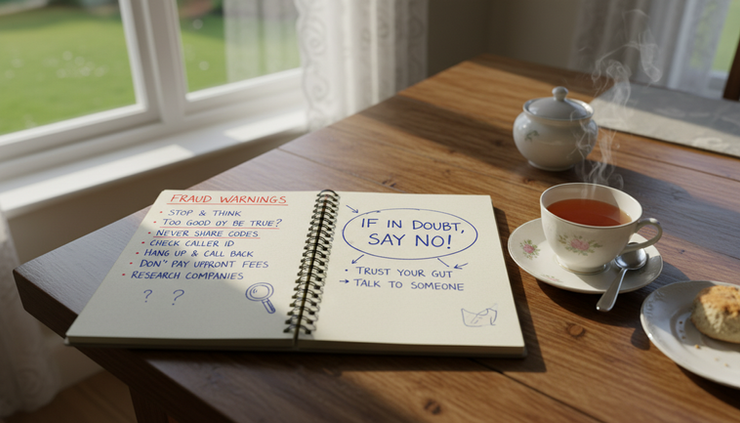
Steph Harrison, TSB Fraud Expert, said: “We can all help by checking in on friends and family – and for those seeking online friendship, be wary, especially if money is involved – as you just don’t know who you’re really talking to.
"Online platforms can be a great way to meet people with similar interests, and to strike up friendships – but remain suspicious and don’t give personal information, or money away to someone that you can’t verify as real.
"With the use of AI, fraudsters can be even more convincing now – with AI produced images that look authentic; so don’t trust someone based on an image.
"Fraudsters concoct elaborate and emotive stories to demand money – be wary of any such requests, and if the conversation turns to money it’s time to stop."
Found us through a search engine? Click here to join our newsletter, fill in your email and stay protected. We do not share your information. You will get free, weekly updates on the latest scams.


Comments