

Card switching scam - how retailers lose money at the till

Updated: Sep 10
A busy till, a friendly customer, a small distraction, and one rushed refund can cost a shop nearly a grand.
This scam is an old one but circulates small businesses again and again. It often targets florists because higher-value orders can feel normal. A large bouquet for £85 is believable. A funeral tribute, wedding-style arrangement, or last-minute gift can all justify a bigger spend. But the trick can work in many high street shops: gift stores, jewellers, clothing boutiques, salons, independent grocers, and anywhere staff are helpful, busy, and keen to fix a payment mistake quickly.
The danger is not just the stolen card. It is the refund being sent to a different card.

How the scam usually works
The basic pattern is simple.
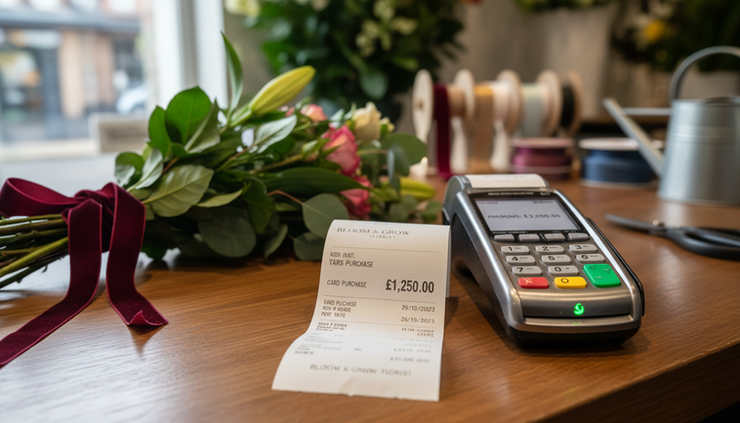
A customer enters the shop and chooses an expensive item, such as a large bunch of flowers. The sale should be £85. While the florist is completing the transaction, another person creates a distraction. They might ask a question, knock something, request a message card, or start a separate conversation.
During that moment, the amount is changed from £85 to £850. The scam relies on the customer handling the card machine. The inflated amount goes through.
The scammer then looks at the receipt and acts surprised.
They point out the mistake, often politely. The shop worker feels embarrassed and responsible. They apologise and offer an immediate refund. That is the moment the scam becomes costly.
The customer presents a different card for the refund in a fluster making a deal about the money they have accidently just paid. The shop refunds £850 to that card. Then the original purchase is put through again at the correct price, often using the stolen card once more.
By the time the fraud is spotted, scammers often chose the end of the day, so card machines often complete an automatic end of day banking total which can often mean it is too late to stop any transactions, the shop may have lost:
The £850 refund to the scammers
The £850 stolen from a card - The value of the disputed card transaction
The goods sold for £85.00
Time dealing with the payment provider or bank
Confidence of staff at the till
This is why the card switching scam can hurt small retailers so badly. It turns a moment of good customer service into a direct financial loss.
Why small shops are vulnerable
Independent retailers tend to trust customers face to face. That is usually a strength. Staff remember regulars, help with awkward requests, and try to sort mistakes without fuss.
Scammers exploit that helpful instinct.
They also choose moments when staff are under pressure. A Saturday rush, a queue at closing time, a delivery arriving, or a complicated order all make it easier to break a routine.
In florists, the environment can be especially distracting. There may be phone orders, fresh stock, handwritten cards, delivery addresses, and fragile arrangements on the counter. A second person asking questions feels normal.
The scam also plays on embarrassment. If a receipt shows £850 instead of £85, many honest shop workers assume they made the error. They want to fix it straight away.
That emotional pressure is part of the trick.
The red flags to recognise
A single red flag may not prove fraud. Several at once should slow the transaction down.
Watch for these warning signs:
A customer wants a large purchase but seems relaxed about a payment error
A second person distracts staff during payment
The card machine is moved, turned, or handled more than necessary
The customer insists on an immediate refund
The refund card is not the same card used for payment
The customer becomes impatient when asked to wait
The original card cannot be shown again
The amount error is unusually large, such as an extra digit for speed
The key point is simple: a refund should normally go back to the original payment method.
If the original payment was made by card, the refund should go back to that same card through the original transaction where possible. If the customer says that card is unavailable, damaged, lost, or “not working now”, pause the process.
A genuine customer may be inconvenienced, but they should understand that refund controls protect both sides.
What staff should do at the till
The best defence is a calm routine that applies to everyone. That way, staff do not need to accuse anyone or make a judgement under pressure.
Use a clear process for refunds and payment corrections.
Check the amount before payment is taken
Before asking the customer to tap, insert, or approve, say the amount out loud.
For example:
“That comes to £85. Please check the amount on the card machine before paying.”
This gives the customer a chance to spot a genuine mistake, and it reminds staff to look too.
Keep control of the card machine
Customers should be able to see the amount and pay comfortably, but the terminal should not be left unattended or passed around casually. If the machine needs to face the customer, turn it yourself.
Do not let distractions break the payment routine
If someone interrupts during payment, stop. Finish the transaction first, then deal with the question.
A useful phrase is:
“I’ll just complete this payment, then I’ll will be with you.”
Refund only to the original card
If your payment system allows it, refund from the original transaction rather than entering a fresh refund manually. This reduces the chance of money going to the wrong card.
Call a manager or pause large refunds
Set a simple rule. Any refund over a certain amount needs a second staff member, manager approval, or a short delay while the transaction is checked. The amount will depend on the shop, but the rule should be written down.

Staff training matters too. Talk through a realistic example, such as the £85 bouquet becoming £850. Practice what to say. A confident phrase can prevent panic at the counter.
For example:
“I’m sorry about the error. For security, I can only refund to the card used for the original payment. I’ll check the transaction now.”
That sentence is calm, clear, and difficult to argue with.
What to do if it happens
If a suspicious transaction has already taken place, act quickly.
Start by saving everything connected to the sale. Keep the receipt, refund record, till log, order details, CCTV if available, and any delivery or contact information provided.
Contact your payment provider and explain that the refund may have gone to a different card as part of a suspected fraud. Ask what evidence they need and whether the transaction can be reviewed.
If a stolen card may have been used, report the incident to the police through the appropriate non-emergency route. Fraud can also be reported to Action Fraud.
Tell staff what happened without blame. The aim is to stop it happening again, not to shame the person who was targeted. These scams are designed to create pressure and confusion.

The takeaway for high street retailers
This scam works because it feels like a simple mistake. A customer has been overcharged, the shop wants to apologise, and everyone wants the problem fixed fast.
Speed is the risk.
Train staff to slow down when a refund is large, when the amount looks wrong, or when a customer wants money returned to a different card. Say the amount aloud before payment. Keep control of the card machine. Refund through the original transaction whenever possible.
A genuine customer can wait a few minutes while the payment is checked. A scammer usually cannot.
Read one florists first hand experience of this here, as originally published by the British Florists Association.
This article has been created for general information and is not considered financial advice.


Comments